
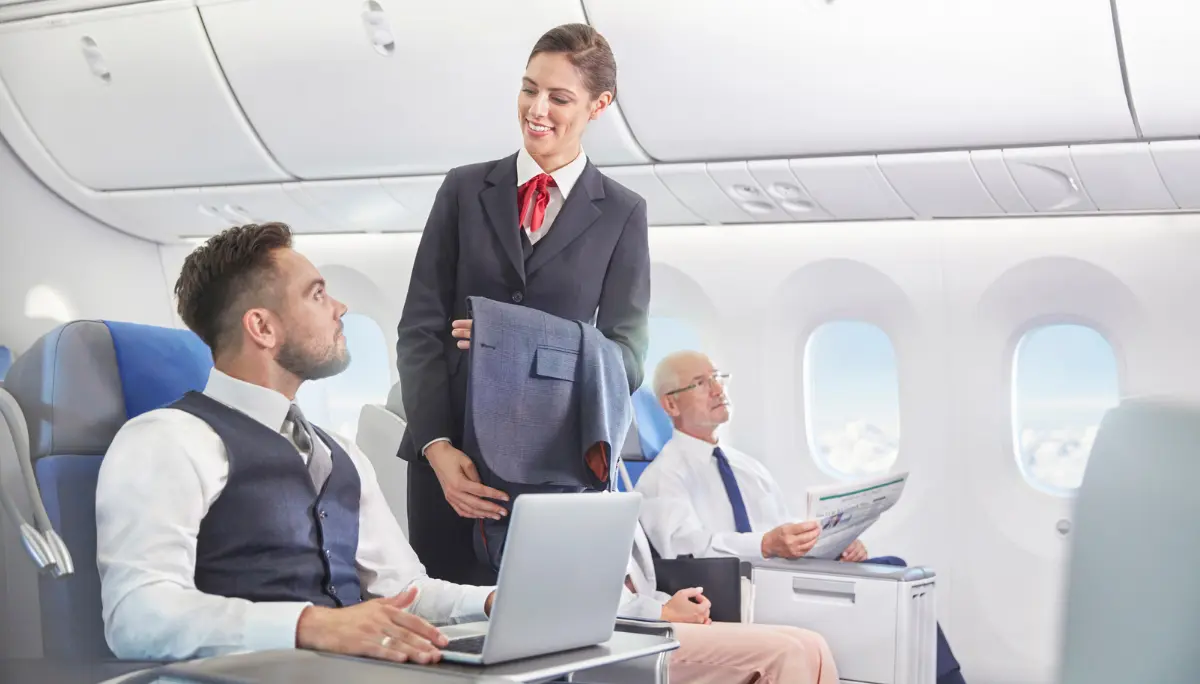
Customer service is the cornerstone of every successful flight attendant interview. Airlines are not just hiring for safety and logistics—they’re selecting brand ambassadors responsible for shaping the customer experience from boarding to landing. Demonstrating customer-first thinking, emotional intelligence, and crisis handling is non-negotiable.
If you’re preparing for an interview in the airline industry, understanding how to communicate customer service skills clearly and confidently will set you apart from other candidates.
Why Customer Service Is the Core of Flight Attendant Interviews
Airlines prioritize customer service because it defines their reputation and revenue. Every flight is a reflection of the brand, and passengers expect more than safe travel—they expect comfort, care, and professionalism.
Hiring managers evaluate your ability to deliver a seamless experience even under pressure. How you respond to challenges, adapt to personalities, and ensure a calm environment directly impacts customer satisfaction and loyalty.
Understand What Airlines Are Really Looking For
Flight attendant roles demand more than a friendly smile. Recruiters assess specific traits and behaviors that predict success in high-stakes, high-contact roles.
Key competencies include:
- Empathy and active listening
- Conflict resolution and de-escalation
- Attention to detail and awareness of others
- Poise in unpredictable situations
- Team collaboration under tight schedules
Airline interviews often include behavioral and situational questions to evaluate how you think, react, and perform in real-time customer service scenarios.
The STAR Method: Structuring Your Customer Service Answers
The STAR method is the preferred interview format in aviation hiring. It ensures your answers are structured, relevant, and outcome-focused.
- Situation: Briefly explain the context.
- Task: Define your responsibility or goal.
- Action: Describe the steps you took to address the situation.
- Result: Quantify or qualify the outcome.
Use this framework to answer questions like:
- “Tell me about a time a passenger was unhappy with a service.”
- “Describe how you handled a stressful situation with a team member.”
- “Give an example of resolving a customer complaint diplomatically.”
Effective STAR responses demonstrate your situational awareness, decision-making, and ability to maintain a service-first mindset.
Crafting Impactful Customer Service Stories
Not all stories leave the same impression. Airlines want specific, high-impact examples that showcase your ability to manage complex or emotional customer interactions.
Strong customer service stories should:
- Include high-pressure or unexpected scenarios
- Show initiative, patience, and professionalism
- End with a resolved issue or positive customer outcome
Avoid generic examples that could apply to any role. Instead, highlight situations where your service prevented escalation or created a memorable experience.
Roleplay Scenarios and How to Excel in Them
Airline interviews may include roleplay exercises to simulate inflight or gate-related customer service issues. These scenarios test your composure, communication, and empathy in real time.
To prepare:
- Practice speaking clearly and maintaining eye contact under pressure
- Pause before responding to ensure calm, measured answers
- Show empathy before offering a solution
Example prompt: “A passenger is upset that their seat was reassigned. They’re becoming increasingly agitated. What do you do?” Focus on active listening, validating the concern, and offering a calm resolution.
Delivering Your Answers with Presence and Professionalism
Your verbal responses are only part of the equation. Airlines evaluate how you carry yourself, from posture and tone to dress and energy.
Tips for a confident presence:
- Maintain calm body language and a neutral facial expression
- Dress in airline-appropriate attire: clean, conservative, and professional
- Speak with clarity, avoiding slang or overly casual language
Remember, the interview begins the moment you walk in. Every detail is evaluated for cultural fit and readiness for public-facing responsibility.
Final Prep Checklist for Interview Day
Use this checklist to ensure thorough preparation:
- Research airline values, service expectations, and recent news
- Prepare 5–7 STAR stories that reflect customer-first thinking
- Practice responses to situational and behavioral questions
- Conduct mock interviews to refine delivery and timing
- Confirm logistics, attire, and documentation in advance
Repetition builds confidence. Familiarity with your material will help you stay composed and focused.
Frequently Asked Questions
How many STAR stories should I prepare for a flight attendant interview?
Prepare at least 5 to 7 stories that showcase different aspects of customer service and teamwork.
Should I use examples only from airline or hospitality roles?
No. Use any example that demonstrates transferable service skills, including retail, healthcare, or education.
What’s the best way to handle a roleplay exercise?
Stay calm, listen actively, and respond with empathy before offering a solution. Treat it like a real passenger interaction.
Can I bring notes into the interview?
No. Most interviews are conversational and expect natural, practiced responses without reading prompts.
What soft skills do recruiters value most in flight attendants?
Empathy, adaptability, conflict resolution, and emotional control are among the top-rated soft skills.