
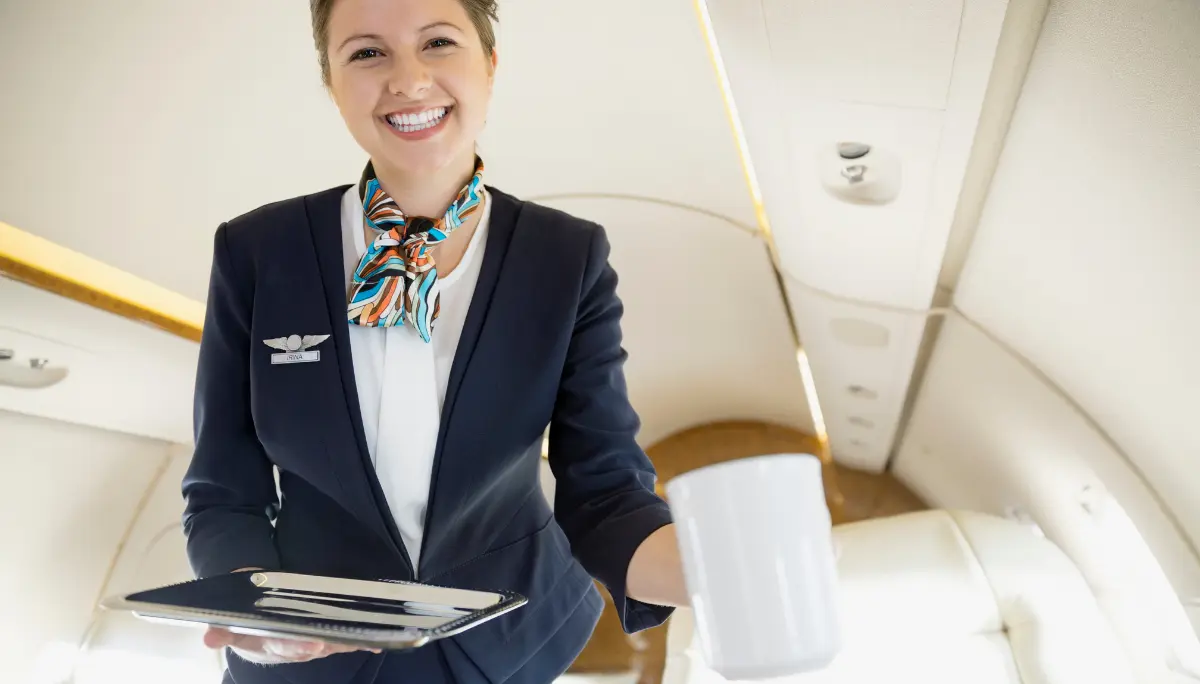
Flight attendant interviews are structured to assess more than technical ability. Airlines want to understand how you think, react, and problem-solve in dynamic environments. Behavioral questions are a key method employers use to evaluate whether candidates demonstrate the values, safety mindset, and customer service skills essential for the role.
Candidates who prepare strategically can set themselves apart by delivering focused, structured responses that reflect the airline’s expectations. Understanding the purpose of behavioral interview questions and how to answer them effectively is critical to interview success in the airline industry.
Understanding Behavioral Interview Questions in Airline Hiring
Behavioral interview questions are designed to reveal how you have handled situations in the past that reflect the core requirements of the flight attendant role. Airlines use these questions to predict how you will behave in similar scenarios on the job.
These questions often begin with prompts like:
- “Tell me about a time when…”
- “Describe a situation where…”
- “Give an example of how you handled…”
The STAR method (Situation, Task, Action, Result) is the recommended structure for answering behavioral questions. It ensures your response stays focused, complete, and easy for interviewers to assess.
Key Skills Airlines Evaluate Through Behavioral Questions
Flight attendant roles require a specific set of interpersonal and situational competencies. Behavioral interviews are designed to evaluate these through real-life examples you provide.
Key competencies include:
- Customer Service Orientation: Airlines want to hear how you’ve created positive passenger experiences, handled complaints professionally, and maintained calm under pressure.
- Teamwork and Communication: Collaboration with crew members and clear communication with passengers are critical. Interviewers will probe how you have cooperated with colleagues or communicated under stress.
- Crisis and Conflict Management: From medical incidents to unruly passengers, you must demonstrate judgment, calmness, and adherence to procedure during high-stakes events.
- Attention to Detail and Safety Protocols: Safety is paramount. Airlines assess whether you consistently follow rules and notice issues before they escalate.
Common Flight Attendant Behavioral Interview Questions
Preparation should include reviewing frequently asked behavioral questions and analyzing what they are truly assessing. Here are several that appear regularly in airline interviews:
- “Tell me about a time you had to deal with an upset or rude customer.”
Assessing: Customer service, patience, de-escalation skills. - “Describe a time you had a disagreement with a teammate. How did you handle it?”
Assessing: Team dynamics, communication, problem resolution. - “Give an example of a situation where you had to prioritize multiple tasks quickly.”
Assessing: Decision-making, multitasking under pressure. - “Tell me about a safety concern you identified. What action did you take?”
Assessing: Safety awareness, initiative, procedural compliance. - “Describe a time you had to work with someone very different from yourself.”
Assessing: Adaptability, inclusivity, professionalism.
In each case, your response should be targeted, concise, and structured to demonstrate how you added value in the situation.
How to Use the STAR Method for Interview Success
The STAR method ensures you present a complete narrative that answers the interviewer’s question with clarity and relevance.
- Situation: Briefly set the context. What was happening?
- Task: What were you responsible for?
- Action: What did you do? Be specific and focus on your actions.
- Result: What was the outcome? Use metrics or concrete impacts if possible.
For example, when asked about handling a difficult customer, avoid generalizations like “I stayed calm and resolved it.” Instead, describe the scenario, outline the actions you took to de-escalate the issue, and state the positive result.
Unique Interview Expectations in the Airline Industry
Unlike many service roles, flight attendant interviews also consider brand alignment and in-flight behavior expectations. Airlines evaluate how well you reflect their image and values during the hiring process itself.
You should be ready to demonstrate:
- A polished and professional demeanor that aligns with airline grooming standards.
- Strong cultural awareness, especially for international airlines.
- Consistent poise and energy, even across multi-stage assessments.
Additionally, assessment centers or group interview formats are common. Candidates must be observed for how they interact with others, not just how they answer questions. Every moment is evaluated.
Effective Preparation Strategies for Behavioral Interview Readiness
Strategic preparation improves confidence and recall. Invest time in building a “story bank” organized by key competencies.
Preparation checklist:
- Review job descriptions and identify 5–6 core skills.
- Prepare at least two STAR stories for each competency.
- Practice answers out loud to improve fluency and reduce rambling.
- Record responses and analyze clarity and tone.
- Revisit airline values and mission statements—mirror their language in your responses.
Also, keep answers focused. Behavioral answers should last 1–2 minutes. Clarity is valued more than excessive detail.
Frequently Asked Questions
What should I wear to a flight attendant interview?
Dress in formal, professional attire that mirrors airline grooming standards. Neat appearance, conservative colors, and minimal accessories are best.
How long should my behavioral interview answers be?
Aim for 60–90 seconds per answer. Use the STAR method to stay structured and avoid unnecessary details.
Do all airlines use behavioral interviews?
Most major airlines include behavioral questions, especially during in-person or final interview rounds.
Can I reuse the same example for multiple questions?
Yes, if the example is relevant and clearly answers the question. However, having a variety of stories is ideal.
Is the STAR method required or just recommended?
It is not mandatory, but using STAR significantly improves clarity and helps interviewers evaluate your fit more easily.